Maintaining proper hydration is essential for every horse, but one of the most important – and often misunderstood – aspects of equine health is electrolyte supplementation. Whether your horse is competing, travelling, or working hard during the summer months, understanding electrolytes can help support performance, recovery, and overall wellbeing.
Electrolytes are minerals that carry an electrical charge and play a vital role in many bodily functions. In horses, the key electrolytes include:
These minerals are essential for normal muscle function, nerve transmission, hydration, and maintaining fluid balance throughout the body.
Horses lose electrolytes through sweat during exercise. Activities such as cross-country, endurance riding, fast work, training sessions, and even long-distance travel can lead to significant electrolyte losses.
Unlike humans, horses can produce large volumes of sweat. This means they can lose substantial amounts of sodium, chloride, and other minerals, even in relatively moderate British weather conditions.
If these losses are not replaced, horses may be at increased risk of dehydration, fatigue, reduced performance, muscle cramping, and slower recovery times.
Not necessarily.
For horses in light work, a balanced diet alongside free access to salt is often sufficient to meet their electrolyte requirements. However, horses in more demanding workloads may benefit from additional supplementation.
Electrolyte supplementation can be particularly useful for:
Sodium chloride (salt) remains the most important electrolyte replacement for horses.
Many equine nutritionists recommend that horses consume approximately:
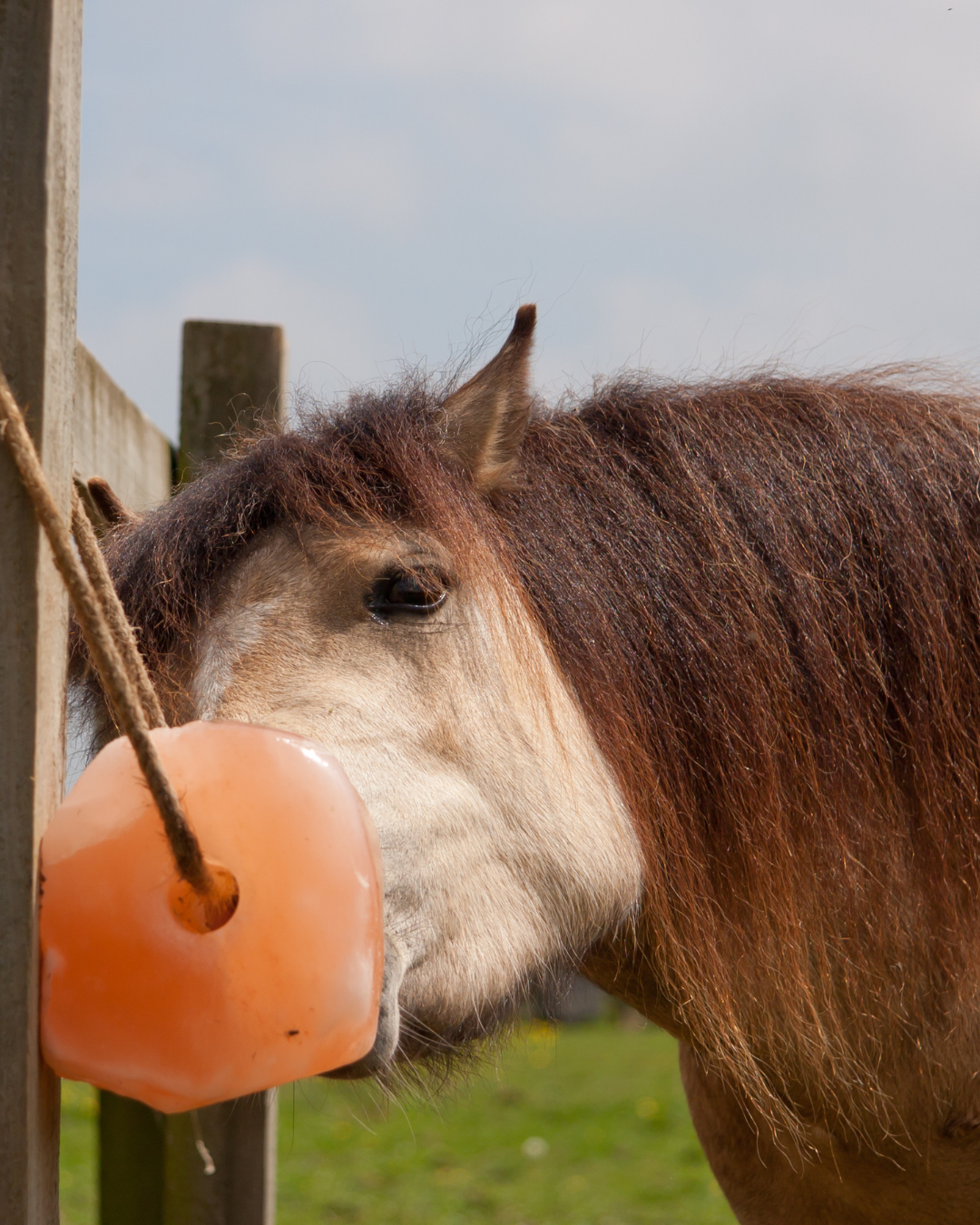
Providing free access to a salt lick can help, but many horses do not consume enough from a lick alone, making dietary supplementation beneficial during periods of increased demand.
Commercial electrolyte supplements are popular because they provide balanced ratios of sodium, chloride, and potassium.
These supplements are available in several forms:
When selecting a supplement, it’s important to choose a product specifically formulated for horses and follow the manufacturer’s feeding guidelines.
One of the most important rules of electrolyte supplementation is that horses must always have access to fresh, clean drinking water.
Administering concentrated electrolytes without adequate water intake can actually worsen dehydration rather than improve it.
At competitions and events, consider offering:
This can encourage drinking and help maintain hydration levels away from the yard.
Electrolyte supplementation is only one part of an effective hydration strategy.
Additional ways to support recovery include:
These simple management practices can significantly improve hydration, recovery, and comfort after competition or intense exercise.
Electrolytes play a crucial role in supporting hydration, muscle function, and recovery in horses. While many horses in light work can meet their needs through a balanced diet and access to salt, those working harder, travelling frequently, or competing may benefit from targeted electrolyte supplementation.
Always ensure electrolytes are provided alongside unrestricted access to fresh water and consider your horse’s workload, environment, and individual sweating patterns when developing a hydration plan.
If you’re unsure whether your horse would benefit from electrolyte supplementation, speak to your veterinary practice or equine nutritionist for tailored advice.