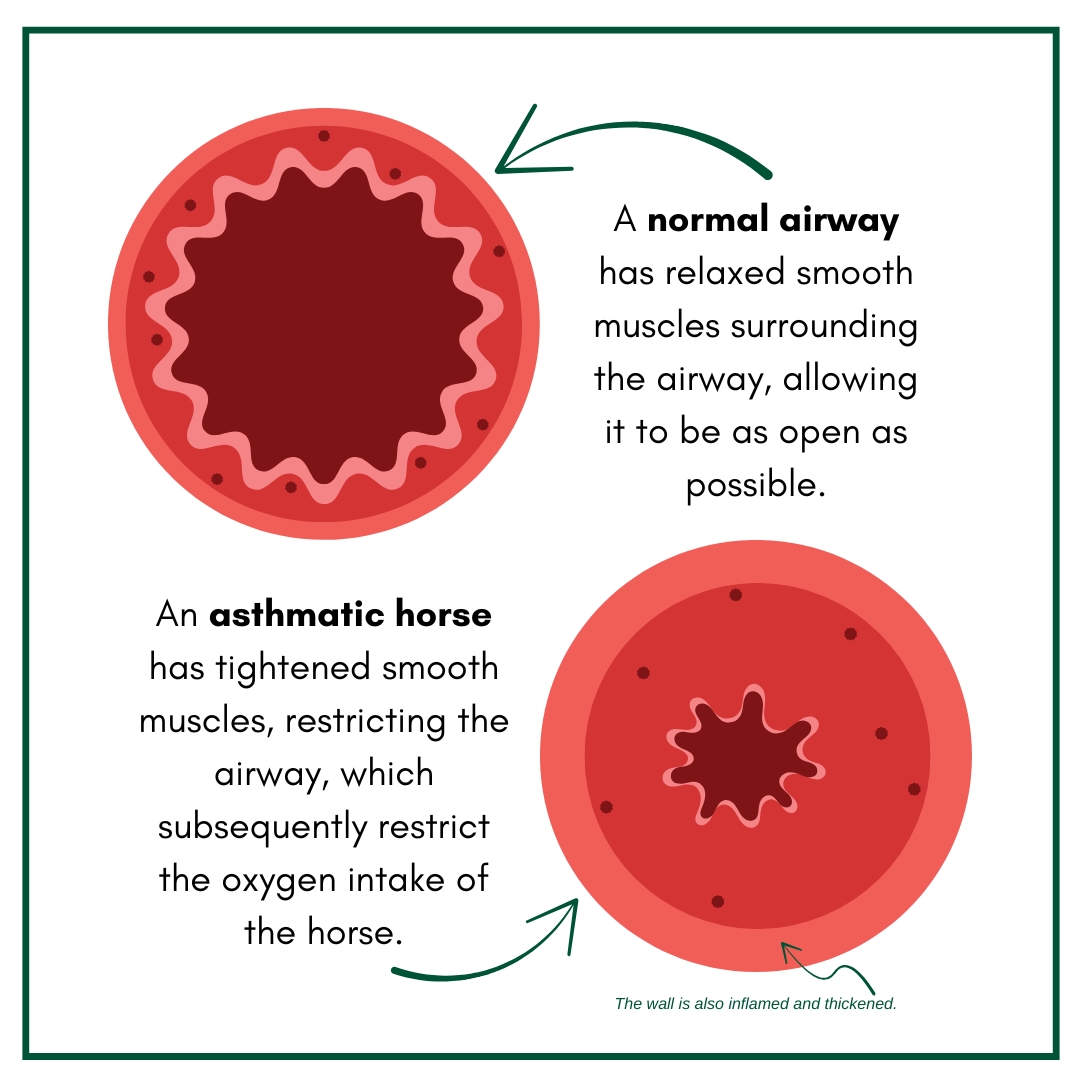
As temperatures rise and rainfall decreases, hot and dry weather can have a significant impact on horses suffering from equine asthma. Previously known as “heaves” or “recurrent airway obstruction (RAO),” equine asthma is a chronic inflammatory condition of the lower airways that can affect horses of any age or breed. While dusty stables and hay are often blamed, the outdoor environment—especially during summer—can be just as irritant to your horse’s respiratory health.
During dry spells, dust, pollen, mould spores, and fine particulate matter can increase in the air. These microscopic irritants are easily inhaled and can trigger asthma flare-ups in sensitive horses.
Key environmental factors include:
> Increased dust and pollen from dried grass, hay, and bare soil.
> Low humidity can dry out the respiratory tract and make it more sensitive to irritants.
These conditions can lead to more frequent coughing, nasal discharge, increased respiratory effort, and decreased performance in affected horses.
Keep an eye out for:
> Persistent or worsening cough
> Flared nostrils or increased respiratory rate, especially at rest
> Visible heaving of the flanks during breathing
> Decreased stamina or willingness to work
> Nasal discharge
While equine asthma cannot be cured, it can be effectively managed—especially with proactive environmental control and veterinary care. Here’s how to support your horse during hot, dry conditions:
> Use low-dust bedding (such as pelleted or dust-extracted shavings) in stables.
> Avoid sweeping the yard whilst horses are inside.
> If the pasture is dry and dusty, consider turning out during cooler parts of the day (early morning or evening).
> Avoid turnout during high pollen count days.
> Soak hay before feeding to reduce dust. Soaking for 10–30 minutes is enough.
> Steamed hay is even better; the steaming process reduces spores and bacteria.
> Store hay in a separate, well-ventilated area away from stables.
> Horses with moderate to severe asthma may benefit from bronchodilators or corticosteroids, administered via inhaler or in feed.
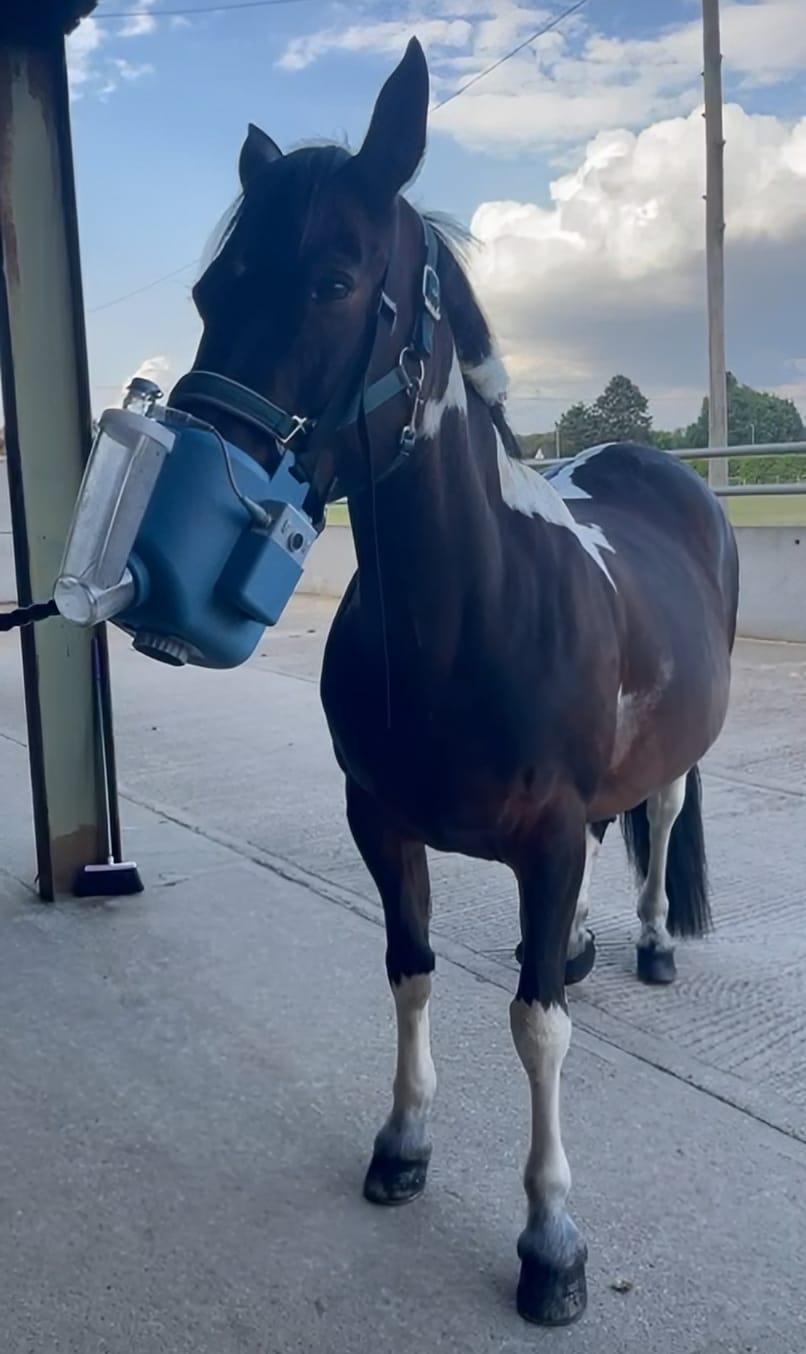
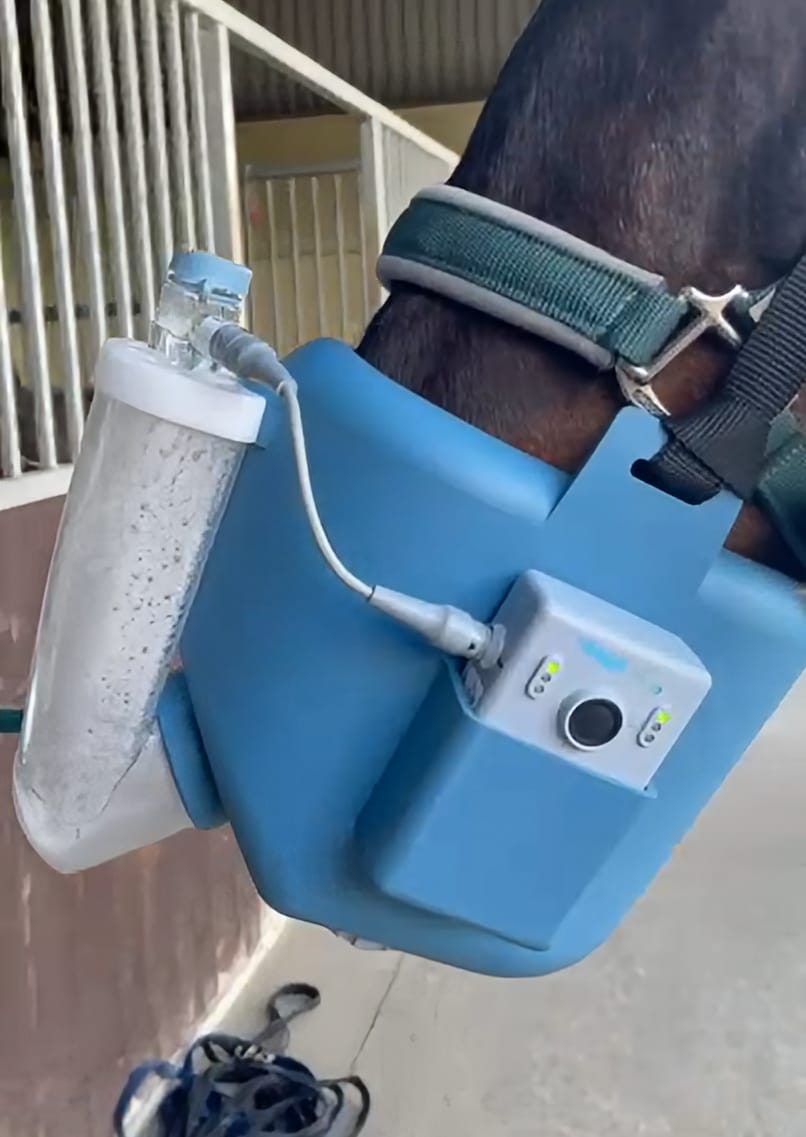
> Inhaled therapies using specially designed equine masks can deliver medication directly to the lungs, improving effectiveness and reducing side effects.
> Schedule regular veterinary check-ups to monitor your horse and adjust treatment as needed.
Equine asthma can be challenging, but with the right management plan and environmental precautions, horses with this condition can live comfortable, active lives – even through the heat of summer. If you notice your horse heaving or exhibiting signs of respiratory distress, call the surgery for an examination and advice.
Written by Equine Director, Tom Righton.