
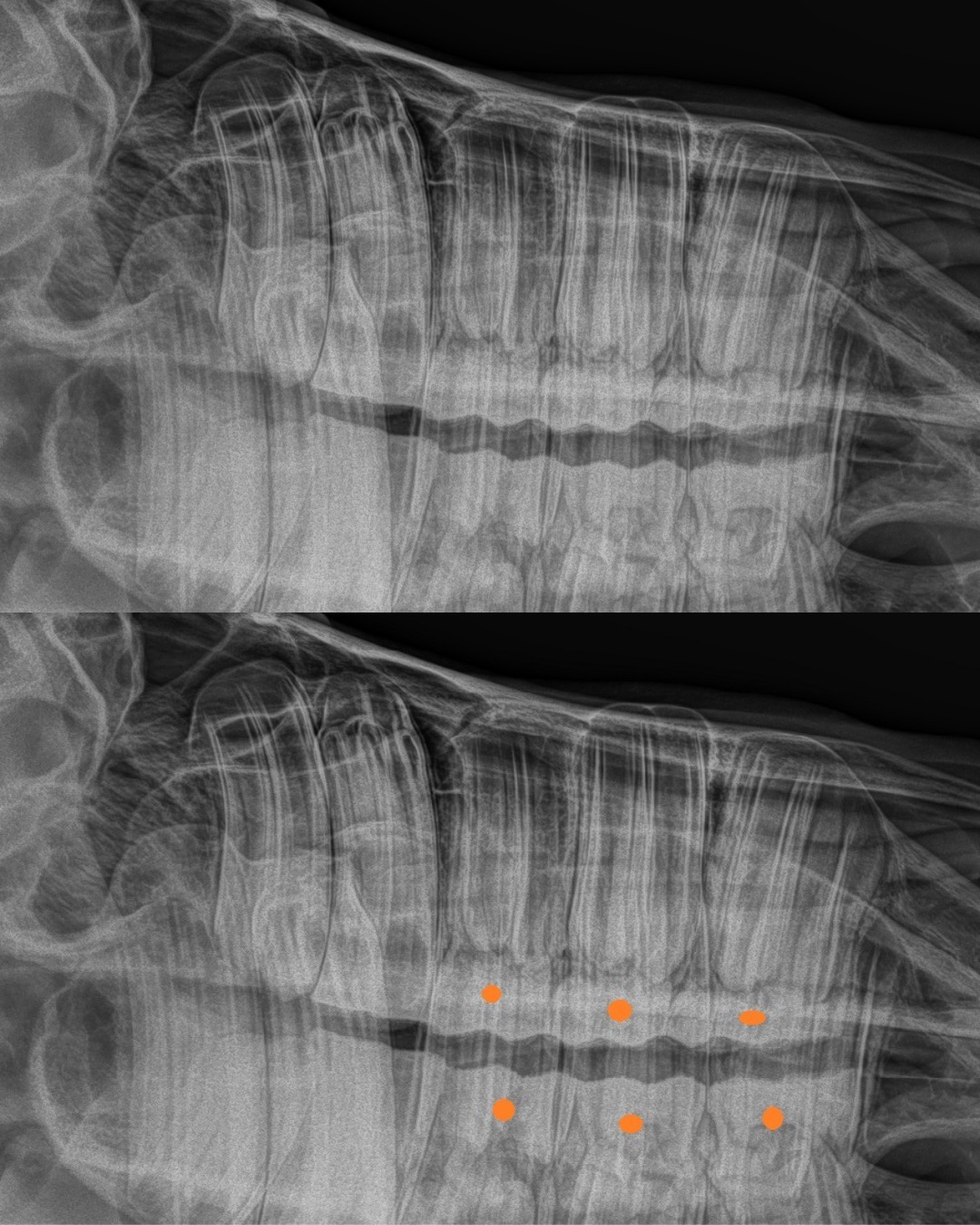
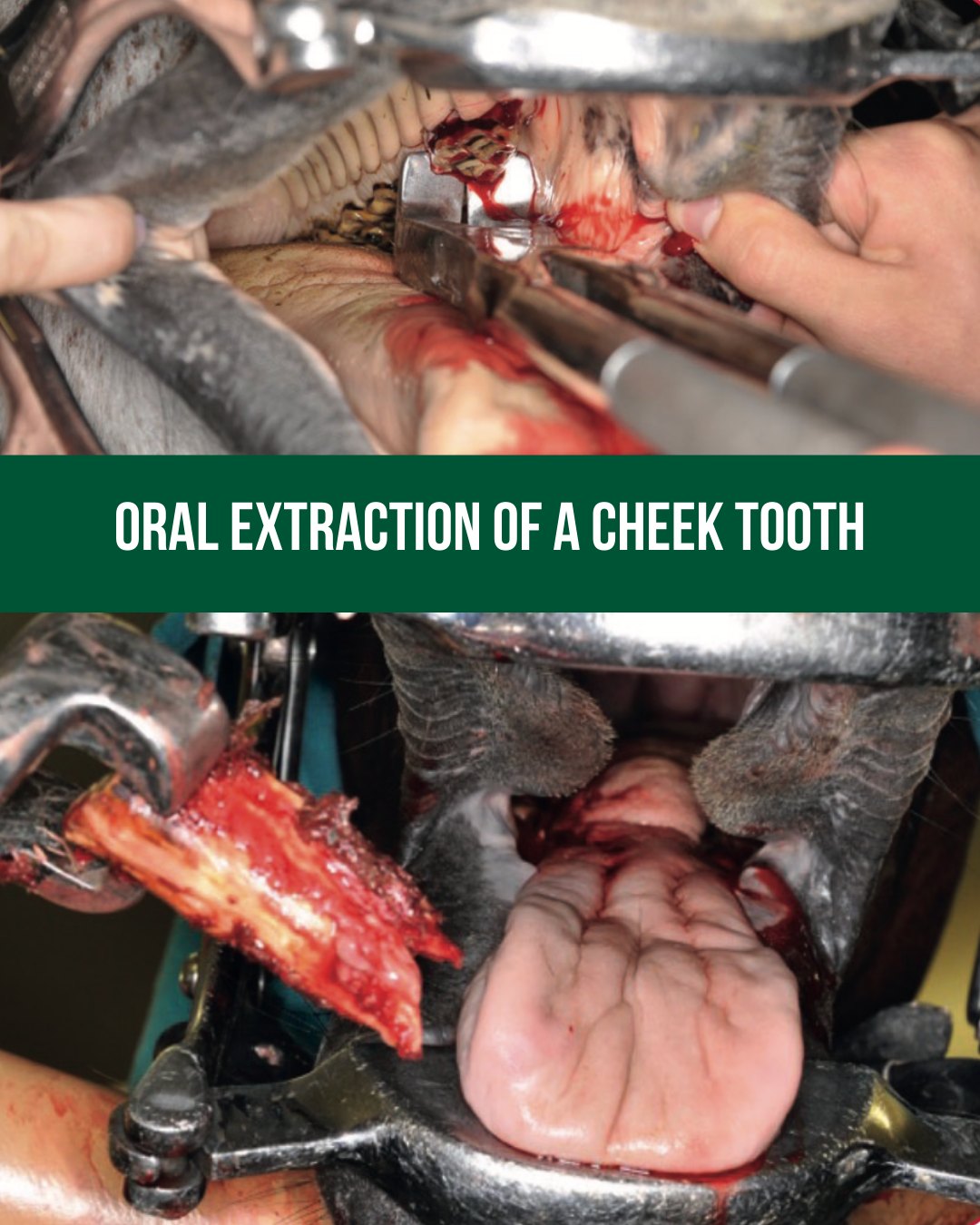
As grazing animals and athletes, dental health and comfort is essential for your horse to fulfil their potential and work to the best of their ability. Our equine vets are very experienced in dental examination and treatment. Just as you go to the dentist to maintain your oral health and prevent serious problems, routine dental examination and treatment is an important part of preventative equine medicine. Other dental procedures may include extraction of wolf teeth, incisors or cheek teeth, which may be performed at home or in the clinic depending on case details.
We include the price of sedation in our dental consultations so that we are able to safely examine and treat your horse without causing undue stress. Although many horses do tolerate dental work, examination and treatment can be performed more thoroughly and safely under sedation, as the horse’s mouth and tongue are more relaxed.
By law, only veterinary surgeons can sedate horses. We can sedate horses for examination and treatment by an Equine Dental Technician (EDT) provided they are a member of the British Association of Equine Dental Technicians. BAEDT members are trained and qualified to carry out certain procedures under national legislation.
Under this legislation, equine dental treatments are divided into categories. Only vets and BAEDT members are legally allowed to carry out Category 2 procedures.
Category 1 Equine Dental Procedures:
• Examination of teeth
• Removal of sharp enamel points using manual (hand) floats only
• Removal of small dental overgrowths (maximum 4mm reductions) using manual rasps only
• Removal of loose deciduous caps (milk or baby teeth)
• Removal of supragingival calculus (tartar)
Category 2 Equine Dental Procedures:
• Examination, evaluation and recording of dental abnormalities
• The extraction of teeth or dental fragments with negligible periodontal attachment.
• The removal of erupted, non-displaced wolf teeth in the upper or lower jaw under direct and continuous veterinary supervision
• Palliative rasping of fractured and adjacent teeth
• The use of motorised dental instruments where these are used to reduce dental overgrowths and remove sharp enamel points only. Horses should be sedated unless it is deemed safe to undertake any proposed procedure without sedation, with the full informed consent of the owner.
Complex cases requiring state-of-the-art techniques are referred to visiting consultants specialising in advanced Equine Dentistry.
Contact us if you would like to speak to one of our vets regarding your horse’s teeth, or book a visit.

If you’re worried about your horse and would like to speak to one of our vets then please call your nearest branch or send an email.
Hook Norton: 01608 730085
equine@hooknortonvets.co.uk

